Major Planes for Anatomical Drawings
And here we are with part ii of our rundown on the things you need to learn before you lot dive into the meaty stuff of A&P, specifically how to talk about the torso. In our previous mail, we discussed anatomical position and directional terms. In this post, nosotros're going to take a await at planes and cavities. No, not the kind that fly you over oceans and accept helpful people in uniforms that ply you with bags of stale peanuts. The other kind! The art kind, or in more than technical terms the expanse of a ii-dimensional surface. When used in conjunction with anatomy, planes are used to dissever the body and its parts, which allows y'all to describe the views from which you lot study the body. If you expect at your A&P textbook, you'll near likely notice that a good number of the pictures and diagrams make employ of planes. Here is a list of unremarkably used planes: Frontal (Coronal) plane Divides the body into anterior (front) and posterior (back) portions Transverse aeroplane Divides the trunk into superior (upper) and inferior (lower) portions Sagittal aeroplane Vertical plane that divides the torso into right and left sides. Midsagittal plane Divides the body at midline into equal correct and left sides. Oblique plane Divides the body at an bending. Desire more than information most anatomical planes? Check out our free Planes & Positions eBook! Using a frontal plane to bifurcate the trunk lengthwise, we're able to describe certain areas that would not be easily visible or accessible if we used another plane. The transverse plane bisects the brain horizontally, allowing for a superior view. Want a quick review of planes, positions, and directional terms? Check out this video: A concept easier to grasp than planes and directional is body cavities, as they are a concrete thing. When you hear the word "cavity," no doubt yous call up of the kind in your teeth that are caused past plaque. A cavity, in whatsoever capacity, is a hollow place. In your teeth, information technology'south a hollow bit in the hard body. In the body itself, it is a hollow place usually filled with organs, nerves, vessels, and muscles. Hither are the body'south cavities: Cranial cavity Formed by the cranial bones and holds the brain Vertebral canal Formed by the vertebrae and contains the spinal cord Thoracic cavity Formed by the thoracic cage, muscles of the breast, sternum, and the thoracic vertebrae; contains the pleural, pericardial, and mediastinum cavities Fluid-filled spaces that surround both lungs Fluid-filled space that surrounds the heart; the serous membrane of the pericardial cavity is the pericardium Central portion of the thoracic cavity; contains the eye, thymus, trachea, several major claret vessels, and esophagus Abdominal cavity Contains liver, tum, spleen, small intestine, and most of the large intestine; the serous membrane of the abdominal cavity is the peritoneum Pelvic cavity Contains bladder, some of the big intestine, and reproductive organs (internal) Be sure to subscribe to the Visible Trunk Blog for more beefcake awesomeness! Are you an instructor? We have award-winning 3D products and resources for your anatomy and physiology grade!Learn more here.
Planes: Considering who said beefcake didn't require an imagination?
Of course, in reality, the planes used are completely imaginary, just they are a helpful visual in terms of describing a view.
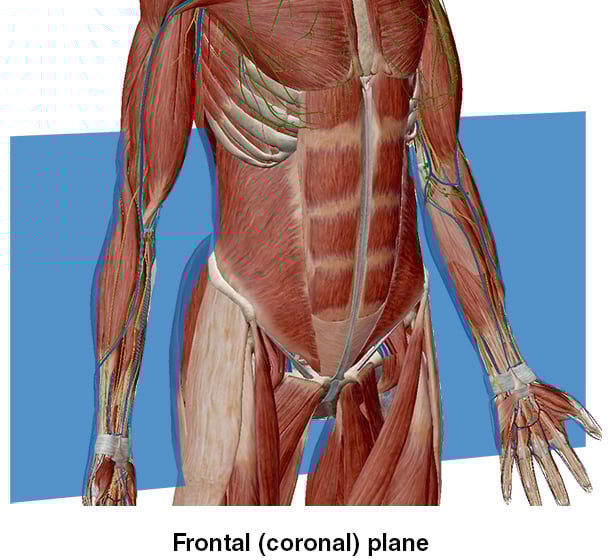
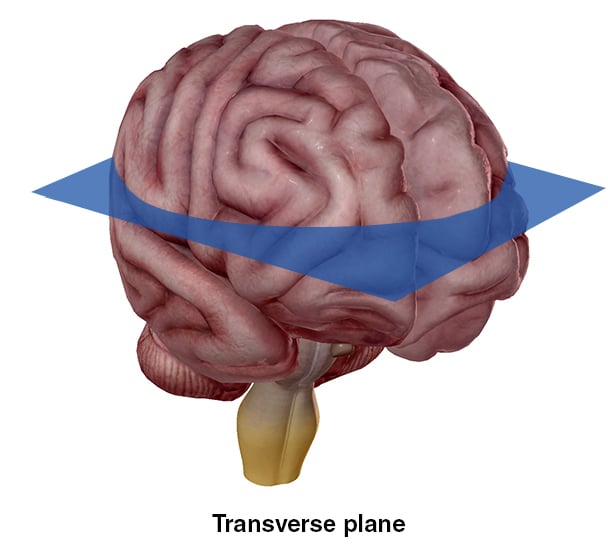
Cavities: Because things need to exist kept somewhere.
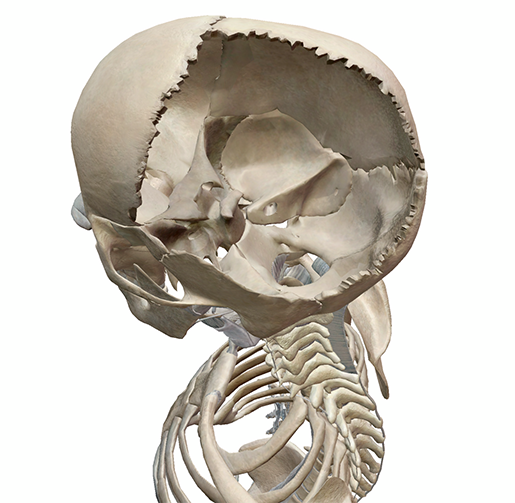 The cranial cavity. Image from Human Anatomy Atlas.
 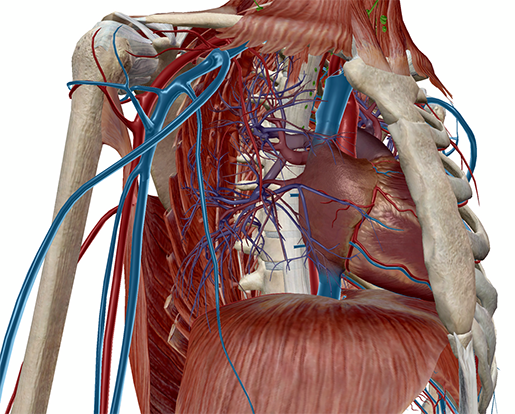 The thoracic cavity. Image from Human Beefcake Atlas.
 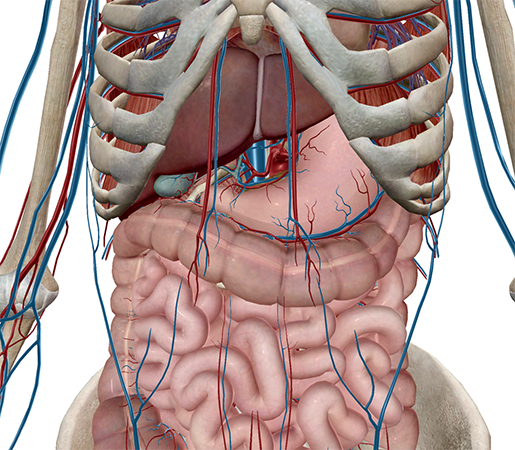 The abdominal cavity. Image from Human Beefcake Atlas.
 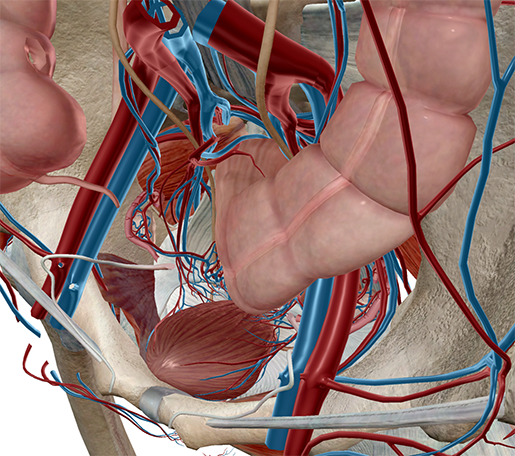 The pelvic cavity. Prototype from Human being Beefcake Atlas.
This post was originally published in 2013. It has since been updated with new torso cavity images from Human Anatomy Atlas 2019.

Related Posts:
Source: https://www.visiblebody.com/blog/anatomy-and-physiology-anatomical-planes-and-cavities

Post a Comment for "Major Planes for Anatomical Drawings"